
PART 1
What excellent looks like.
A custom field is just a thing you set up on the record and fill in. This part walks the first block of questions, the price and the plans, then the condition of the house. You will not need all 75 to get a deal, but you get to see what excellent looks like.
What a custom field is.
Capture the whole seller conversation on the record.
If you have no idea what a custom field is, it is a custom thing you set up on a record. It can be an input, a value, text, anything in between. It can be filled out by hand or uploaded.
These 75 fields break down every single thing that in a perfect world you would understand about a seller. What is the status on the roof. What is going on with the property, and the reason they want to sell.
Do you need all 75 to get a contract? No. Pick and choose the ones you want inside your sales process.
But this is a really cool way for you to see what excellent looks like.
Asking price and other offers.
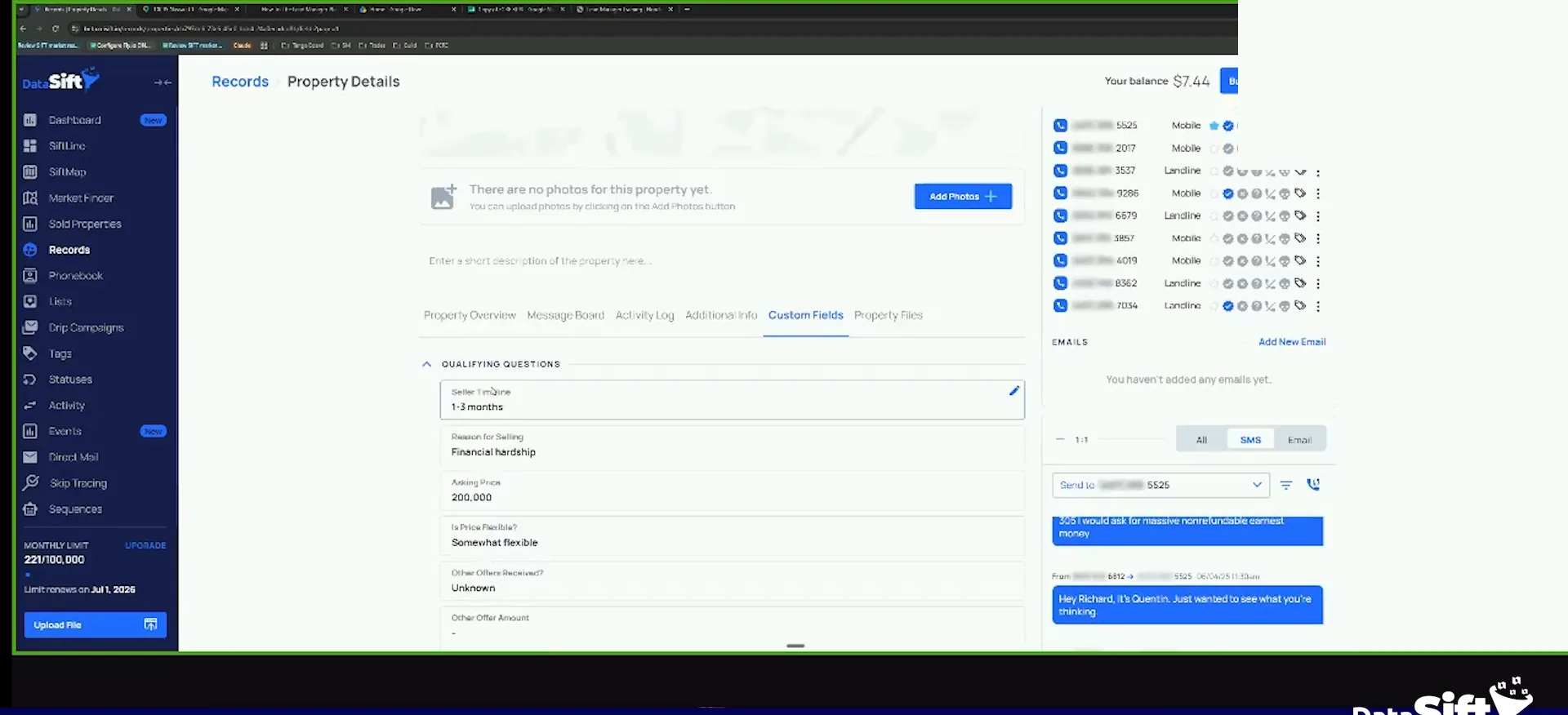
Put the asking price in, then ask if they are firm.
Say they tell me $200,000. I put that in here. Then I ask whether they are firm on that price, or whether there is some room.
I do not have to ask that question right now. I do not have to put it in right now either. But I want to be able to put it in.
Then ask if they are receiving any offers from anybody else. They might not answer. Say unknown. If they tell us the other offer, we put it in there.
And is that $200,000 that is that are you firm on that price, or is that something we're gonna be able with?
Questions we ask
Five questions before we talk condition.
- 1Asking pricePut the number they give you into the field.
- 2Firm on that priceAsk if the price is firm or if we can work with it.
- 3Other offersAsk if they are receiving offers from anybody else right now.
- 4Contract or agentAsk if they have listed with an agent in the last ninety days or six months.
- 5After we sellAsk what we are doing when we move on from this house.
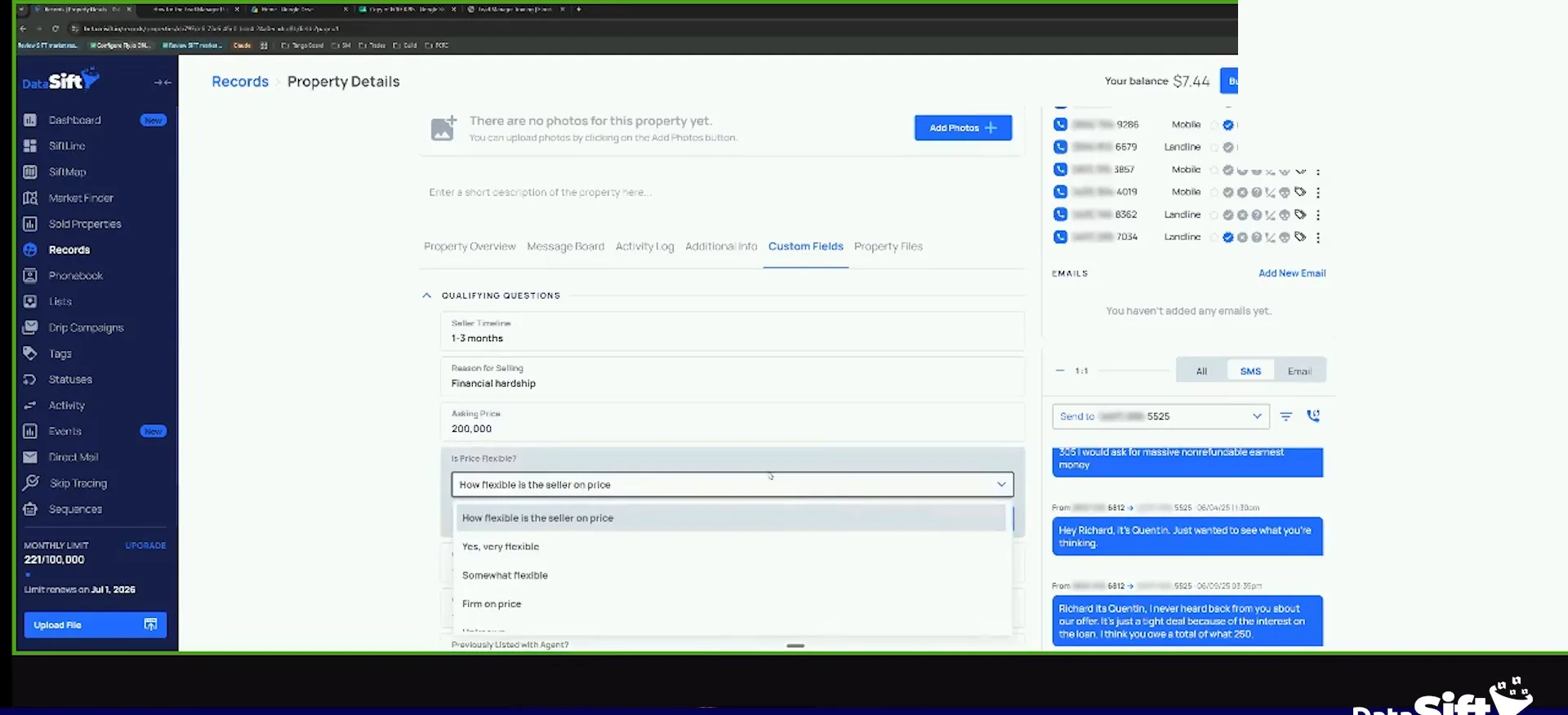
Ask what we are doing after we sell the property.
First check the legal side. Are they under contract with anybody, or have they listed with a real estate agent recently. Sometimes the agent is entitled money, so we want to know.
Then the big one. What are you doing after we sell the property. Notice I said we sell, not we buy, and it is a we, not a you.
I have had a seller not realize they had to move. They thought they automatically had time. They were elderly, we could not kick them out, and it was because we did not properly ask. We ended up giving them a couple months in the property.
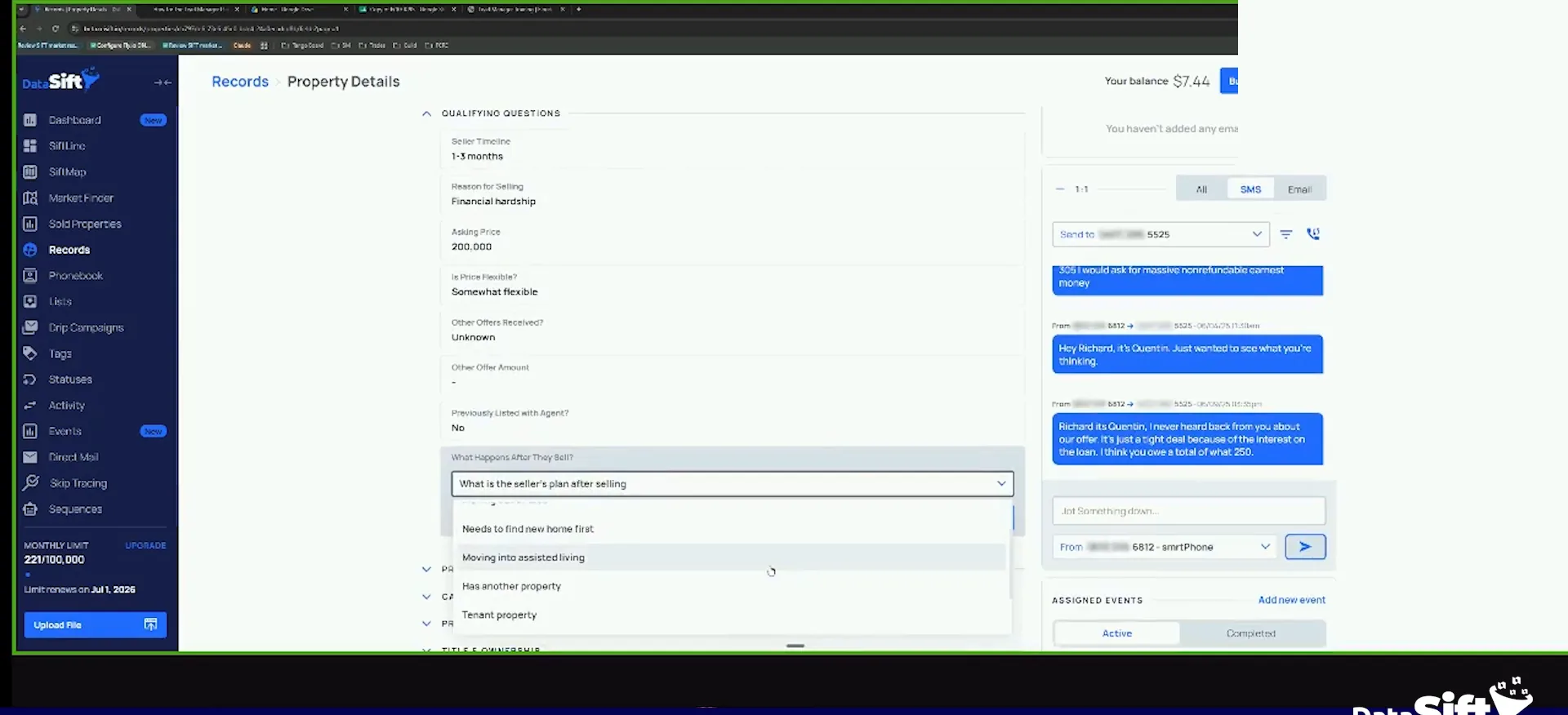
Walk me through the property.
Ask for the condition, then ask for a tour.
Ask them to explain the condition in a quick phrase. Excellent condition, a little updating, minor cosmetics, or does it need a lot of work. Say they pick fair condition.
Then ask them to walk you through the house as if they were giving you a tour in person. Start from the front door. I am listening and I am jotting. Kitchen not updated, Formica, old carpet in bedrooms, original showers.
Off our experience it already sounds like at least $30,000. I am not making that firm. As a lead manager I am seeding early that we are going to have to put money in this deal.
I don't you know, that's not my specialty, but from my experience dealing with these dealing with other properties, it sounds like it needs at least that.
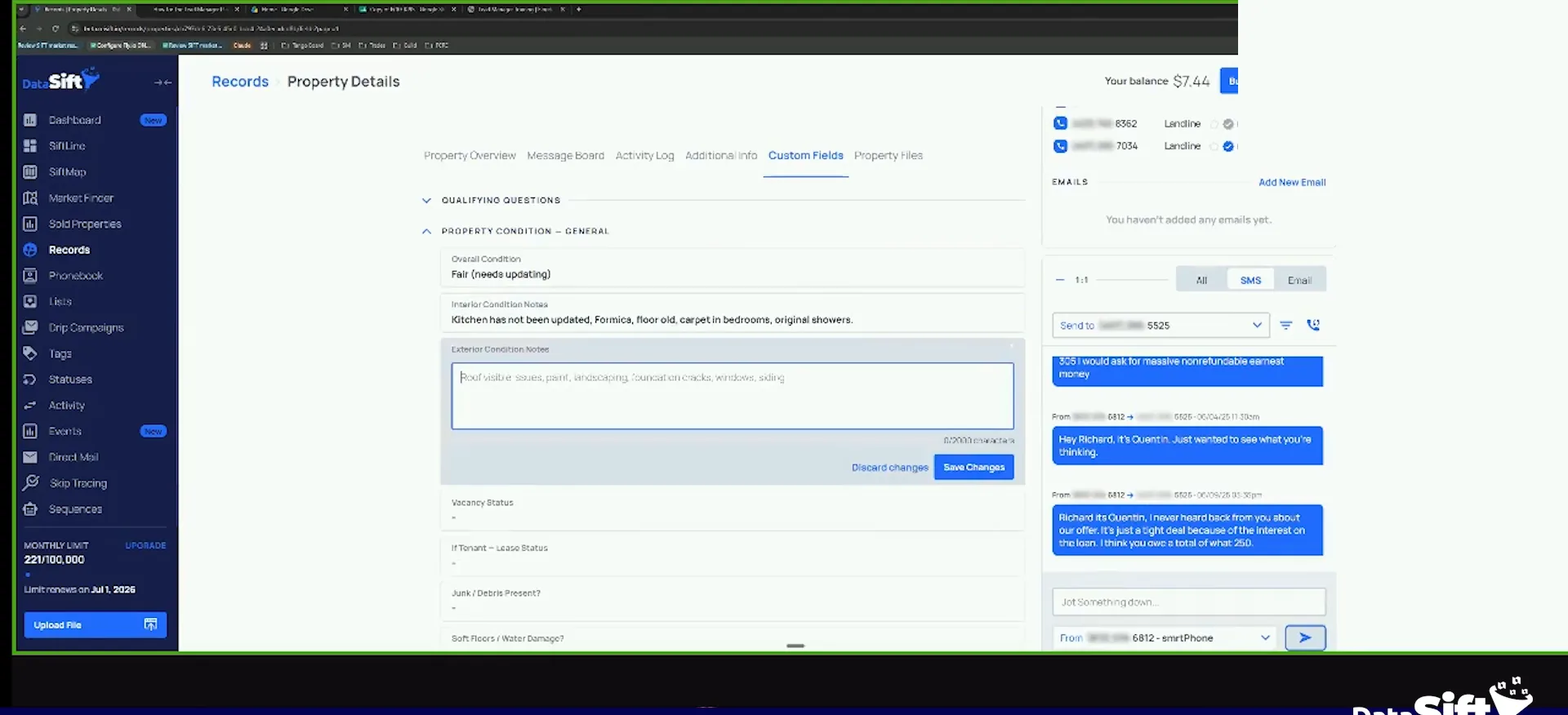
Ask who is living there right now.
Then move outside. Ask what is going on out there. Lots of junk, car, roof, wood rot. I am adding those things in there too.
Then ask if they are living there, or if it is vacant. Say they tell you there is a tenant in there.
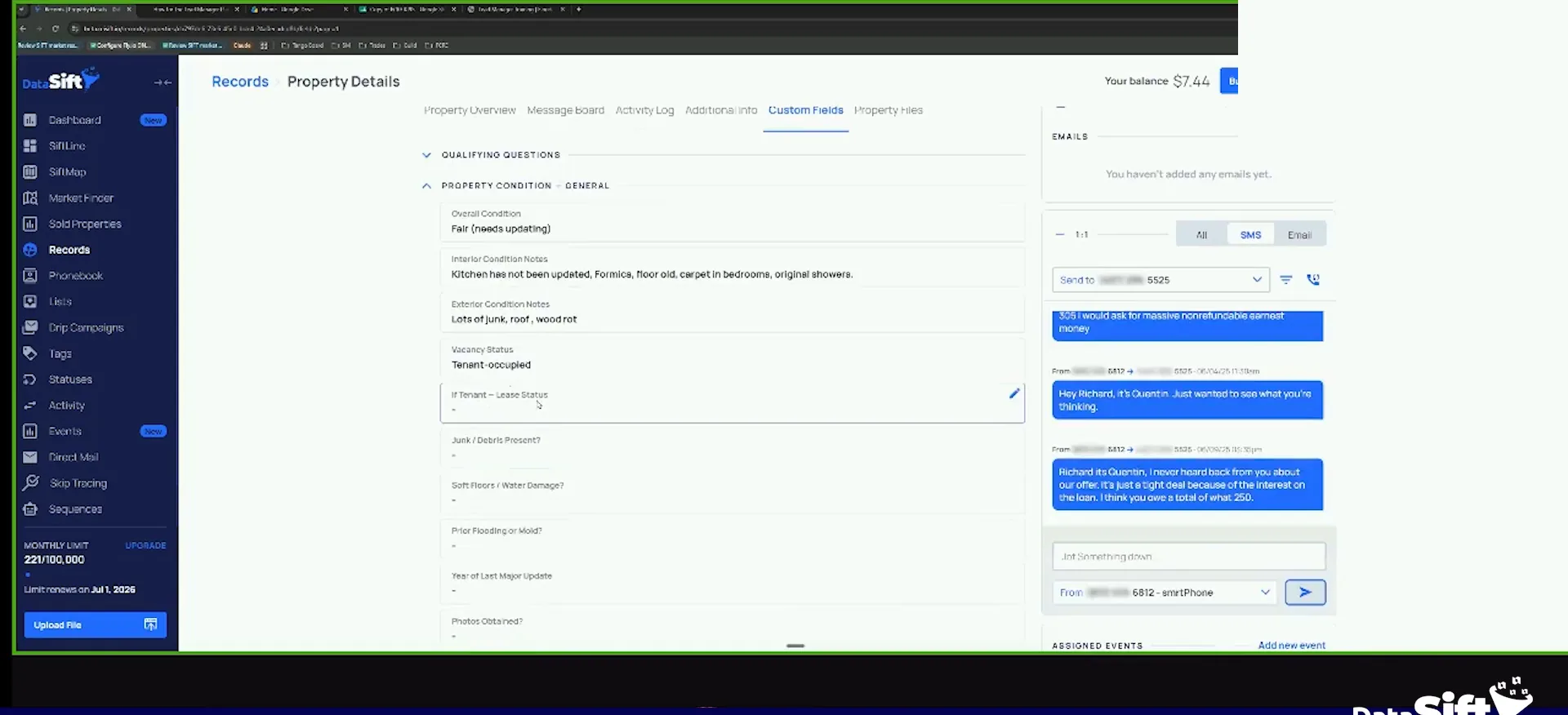
Now you have a seller moving out of state and a tenant in the house. That is why you ask. These questions make sure we are covering our bases.
So now it's like, well, you told me you're gonna be moving out of state, but now you got a tenant in there.
BEFORE YOU MOVE ON
PART 2
From junk in the yard to title.
This is the back half of the intake, the part where the property condition and the encumbrances get filled in. I ask firm questions, I check what I can see myself, and I type the answer while they talk. By the end the closer does not have to ask any of it again.
Is there a lease in place.
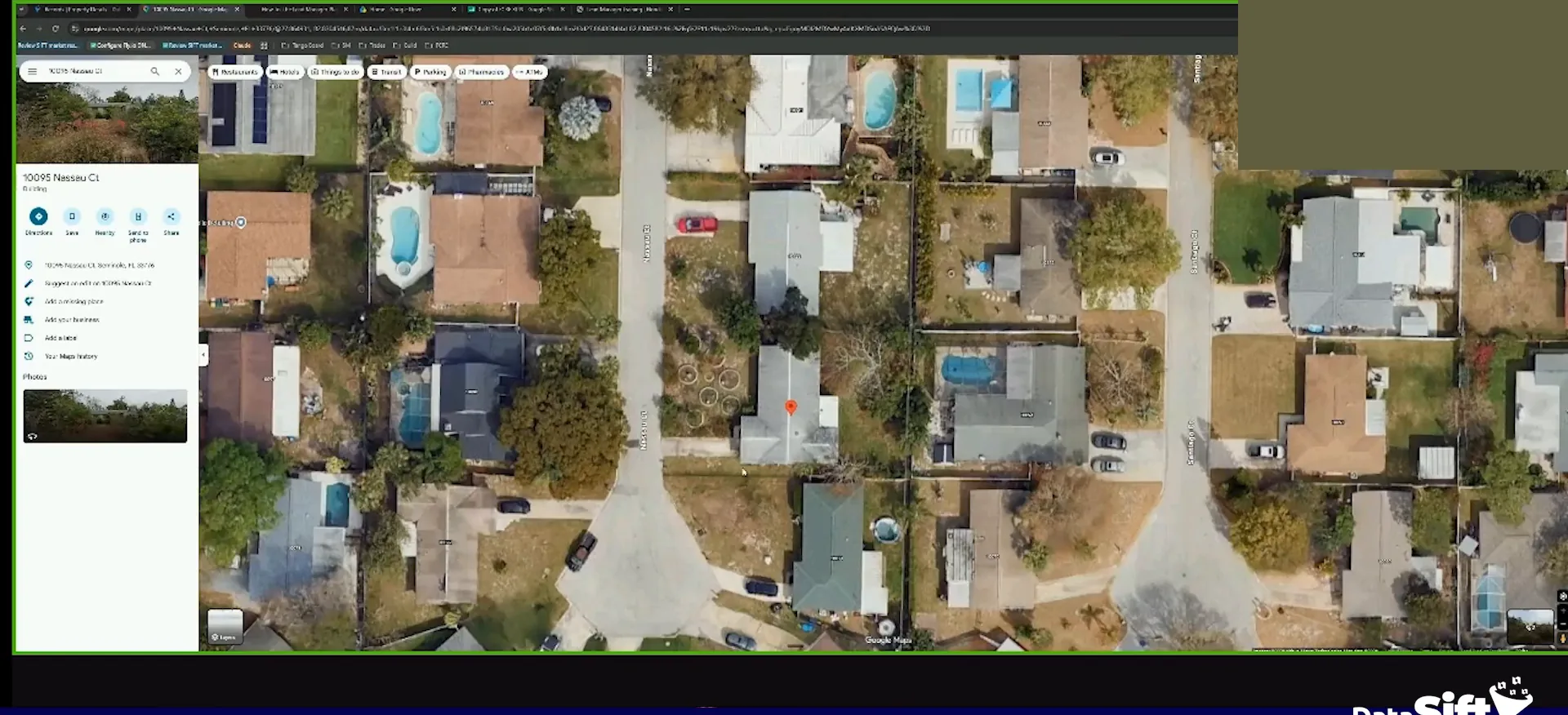
Open Google Maps while they describe the outside.
Is there a lease currently in place with the tenant. No lease. Okay. We are gathering all the right information to make sure that we understand. This is not just for acquisitions to make offers, transactions really need this kind of information too.
You said there was some junk and debris outside. Would you say it is minor or significant. Because, sadly, the lowest we have had is $3,000 for junk removal lately. Unless they clean it out themselves, that is an extra cost that might be there.
So I hit the lightning bolt and look at the outside of the property on Google Maps. It does not look terrible. Is this an outdated photo. Then it actually sounds like it is minor, maybe a little bit of landscaping.
It looks like the front yard has some, garden circles in it or something like that, but it doesn't look like it's full of junk.
Type never when there have been no updates.
Is there any soft floors or any water damage anywhere. No. This property has never had any flooding, it looks like it is about a mile off from the coast. Good, we move on.
Would you consider there are any major updates at all on the property. They say never, so I just type never. If they said 2015, I put 2015. Photos are the same, sometimes they already texted them to me, so I put yes or no.
I am already way more structured and way more defined than most people are. For them this would all be typed out in whatever words are in the lead manager's head, and they are going to miss stuff.
When to let go
There is times and places for you not to control the conversation. When they're telling you about interior notes, I'm just letting them rant.
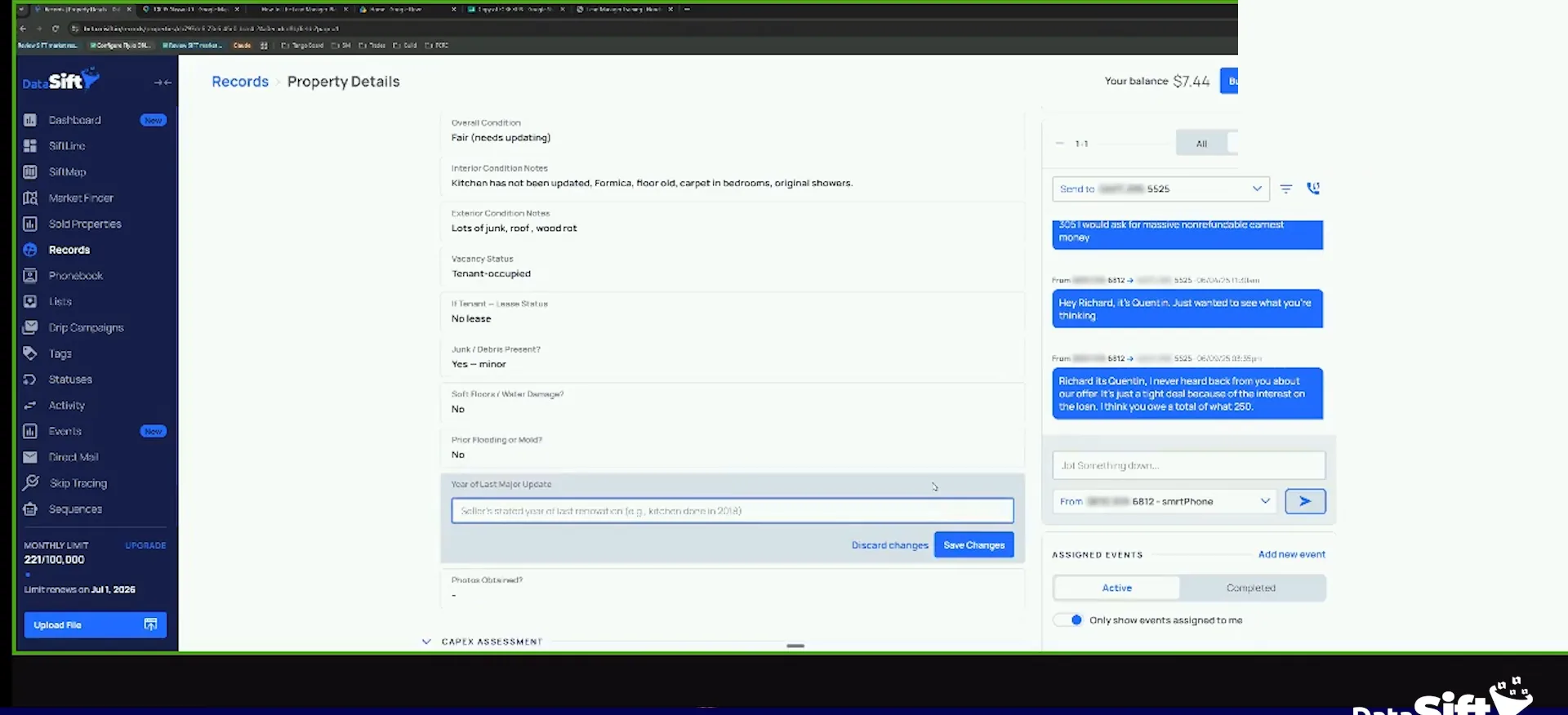
We control the conversation.
Ask if the roof is insurable, then wait.
As much as we want to know that sellers are the most amazing thing in the world, they are also perpetual liars. We want to let them talk, but we want to make sure we control the conversation.
They might not know what insurable means. So I ask if the roof has been replaced in the last fifteen years. In the state of Florida, twelve to fifteen years is the max to get insurance.
Even if a roofer says it has five years left, no buyer is going to skip concessions for the roof. They do not have that kind of money sitting in the bank. So the property sits on market.
Because even though we're friends, we're also they're trying to get the most they can out of us most times.
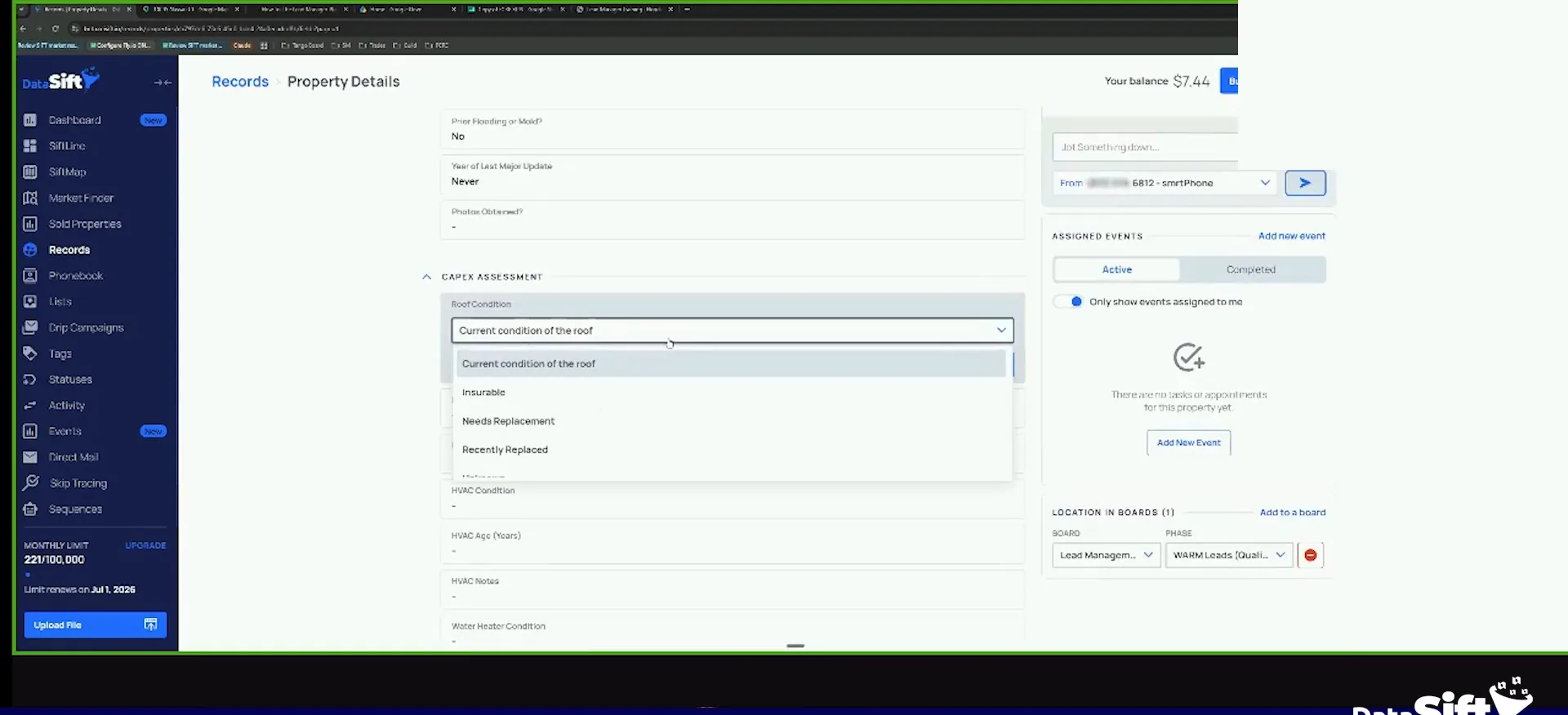
Log each CapEx with the year they give you.
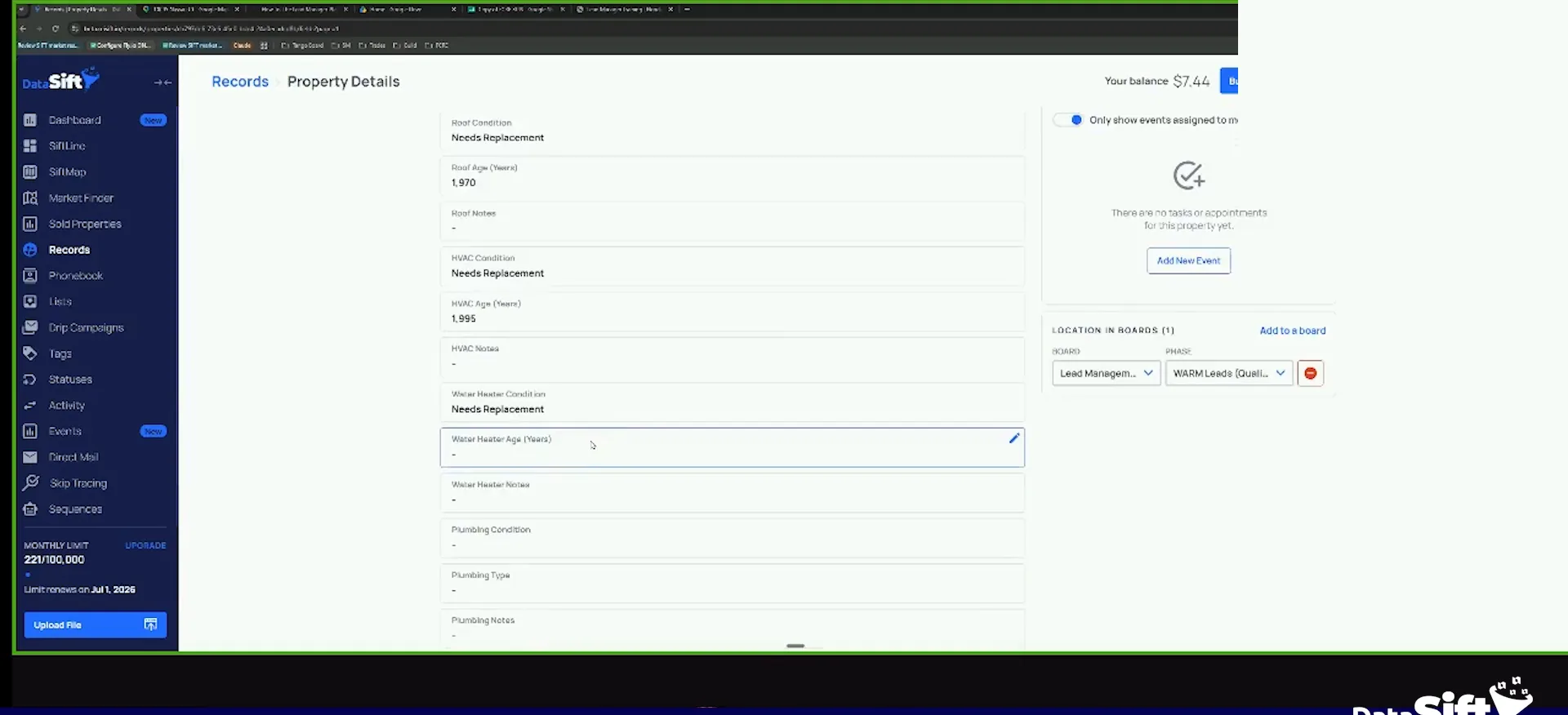
The roof sounds like it was replaced when the house was last built. HVAC, have you done it any time soon. It is working, that is good, but it was replaced twenty years ago, so it probably needs replacement.
My lead manager should know that CapExes do not really change. That is the nice thing about CapEx. I am talking to myself out loud while I total it up, and the seller is hearing me.
Water heater is the same conversation. You said fifteen years, so that is going to need replaced too.
I already know that a roof's gonna cost me between 8 and $15,000 depending on the house.
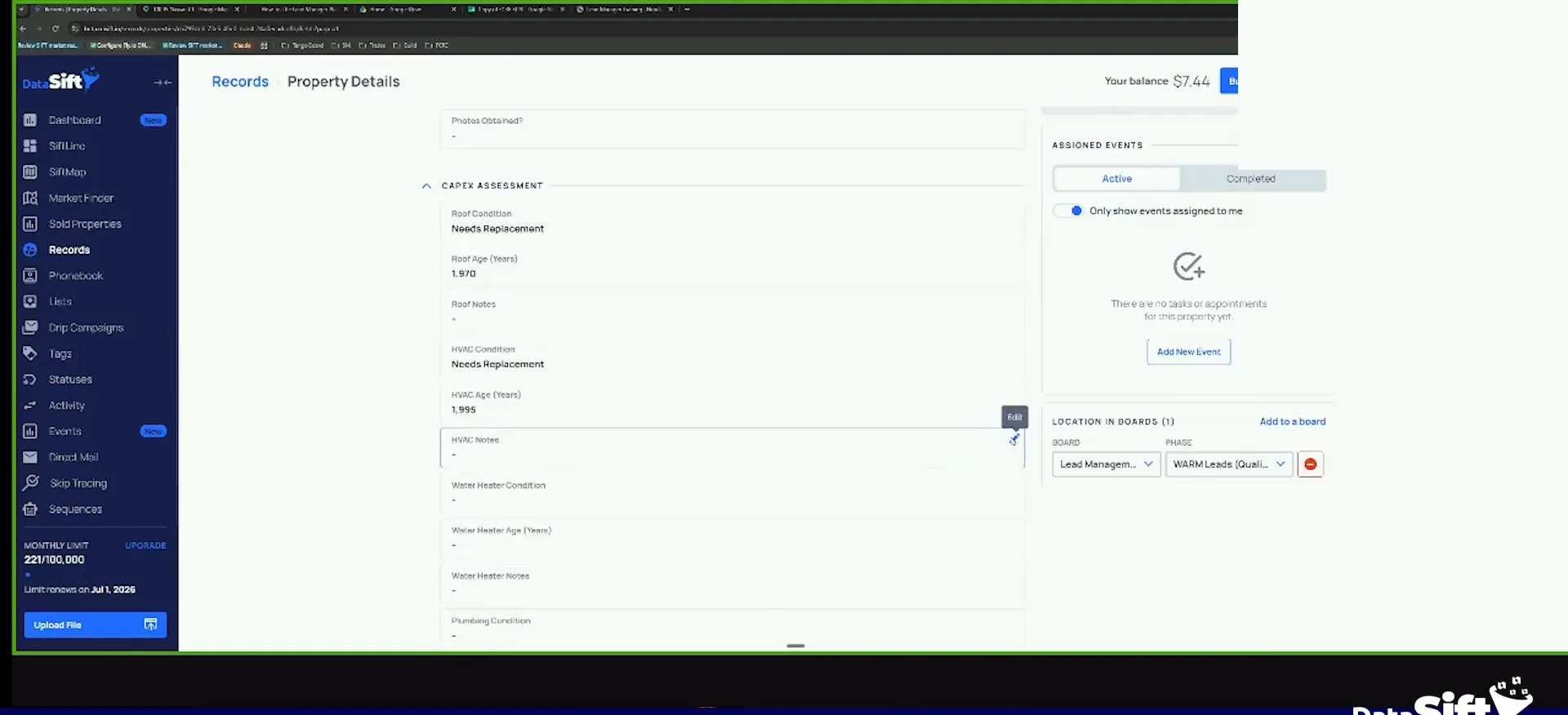
CapExes take about $30,000.
Jot down every CapEx before you move on.
A water heater usually needs to be within seven years. So when you replace that, it is probably about another three. I am just trying to get an idea here.
These CapExes, sadly, they take about $30,000 right off the rip if none of them have been replaced. So we just go through all of them and jot them all down.
Do you happen to know what kind of panel it is, a fuse box or a breaker panel. You do not know, that is no big deal, we will check it out when we come look at the property.
you these CapExes, sadly, they take about $30,000 right off the rip if none of them have been replaced.
CapEx costs
The CapEx numbers do not really change.
CapExes take about $30,000 right off the rip if none of them have been replaced.
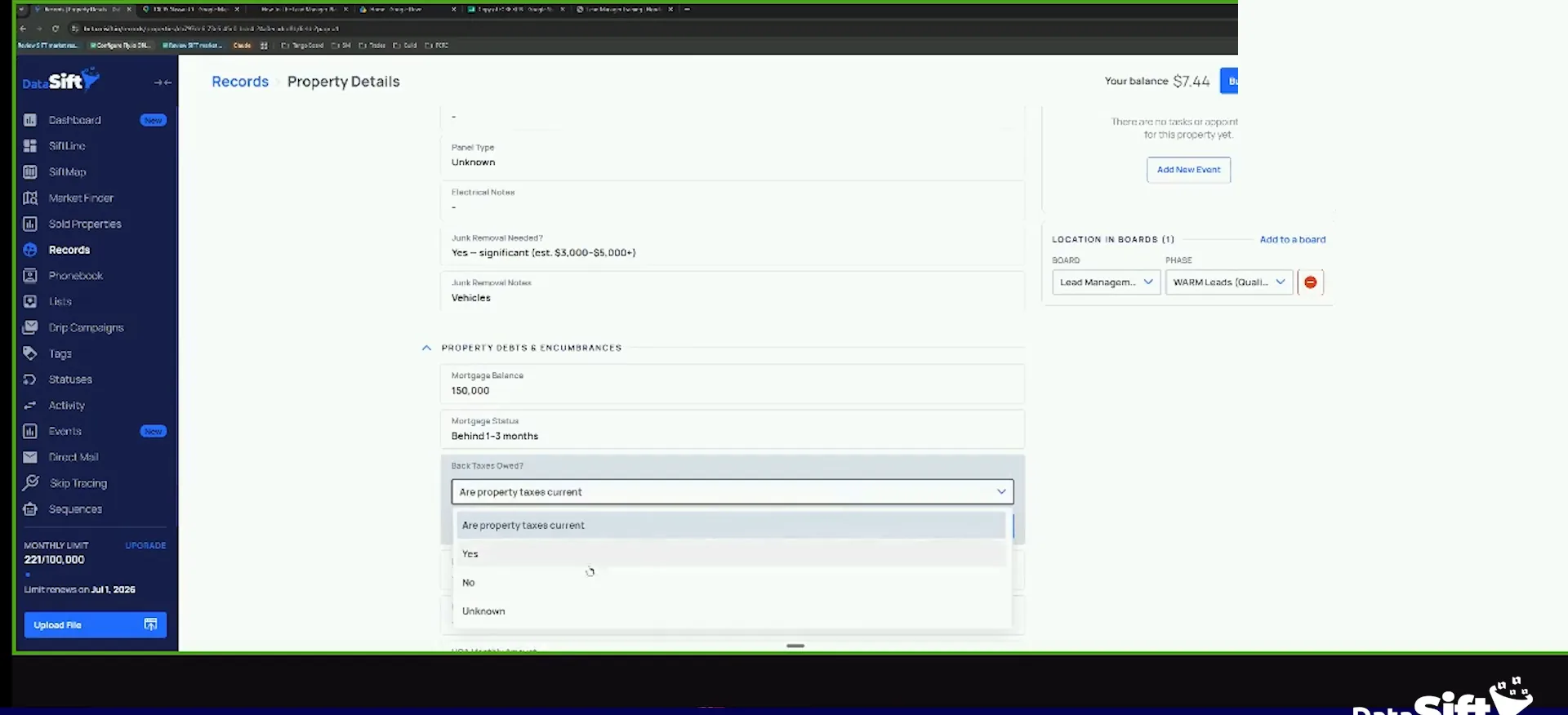
Fill in the encumbrances with their own numbers.
Property condition includes a note about junk removal, and significant is 3 to 5,000. They have some vehicles, so we are going to have to hire somebody to handle that. Do you have title to those vehicles.
You said the mortgage balance was 150,000, so I put that in here. You are asking 200,000. It is currently behind, about one to three months.
Do you know if you are behind on taxes. I can check that for you, I will just put unknown for now. Are you in an HOA. It does not look like it, I just looked on Zillow.
Ask the title ownership questions before you hang up.
Any code violations. You said there is a decent amount of junk in the yard, so are you aware of any current code violation liens. We will find this out when we go to title, but we will see.
Foreclosure, have you filed for probate, is there any other heirs. Then we get into title ownership and make sure they are in fact the owner or a decision maker.
The beautiful thing about going through this is it gives you very firm, clear questions that need to get asked. It does not take a rocket scientist. It takes people that are dedicated to your mission.
Then we get in title ownership, ask some title ownership questions, make sure they are in fact the owner of the property or a decision maker, blah.
BEFORE YOU MOVE ON